
Benefits of Buying Handmade Heritage Fashion
Table of Contents
- What Heritage Fashion Meaning Reveals About Modern Clothing
- Why Handmade Heritage Fashion Delivers Real Quality and Durability
- The Real Benefits of Supporting Artisan Clothing
- Artisanal Ikat Garments: Craftsmanship That Justifies the Investment
- How to Care for Handmade Clothing to Extend Its Lifespan
- Sustainability and Environmental Impact of Heritage Fashion
- Verifying Authenticity: How to Distinguish Real Heritage Pieces
- Styling Handmade Heritage Pieces Into Everyday Life
- Frequently Asked Questions
Last Updated: October 17, 2026
What Heritage Fashion Meaning Reveals About Modern Clothing
Handmade heritage fashion is clothing rooted in traditional techniques, cultural identity, and artisanal methods passed down through generations. At Sadri Couture, we see it as more than an aesthetic choice: a deliberate commitment to quality, cultural continuity, and conscious consumption in an era of mass production.
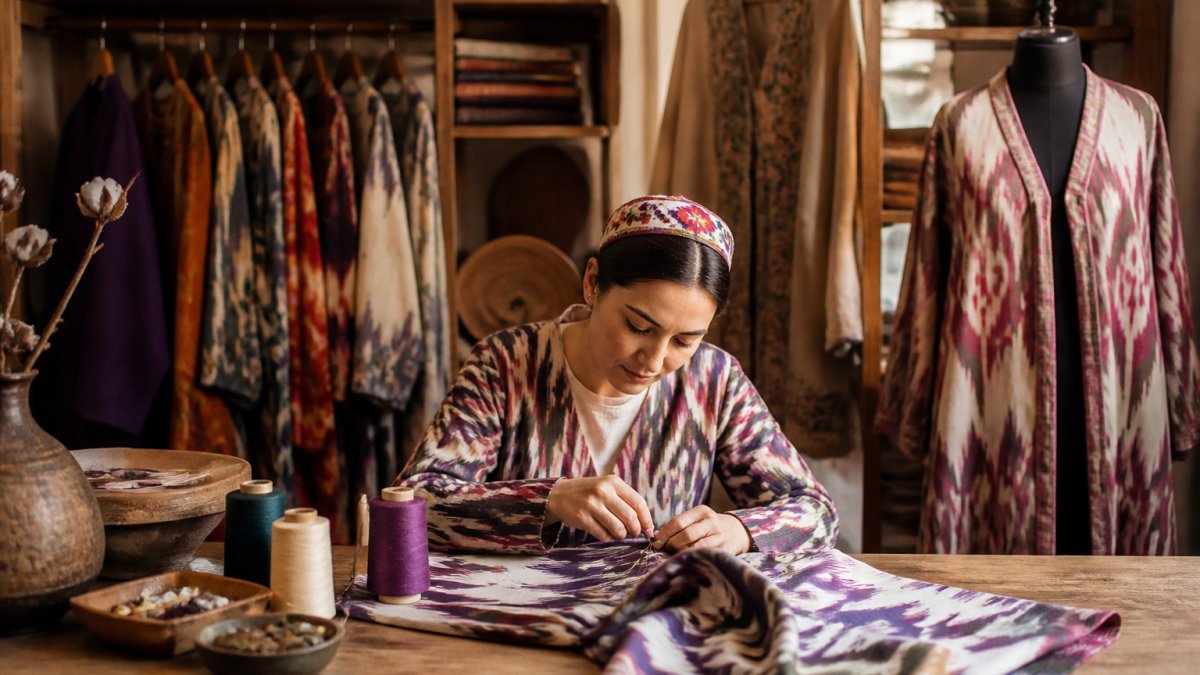
Heritage pieces carry the fingerprints of their makers. Unlike factory garments built for rapid turnover, they're constructed with intention: ikat textiles, intricate embroidery, and hand-finished details reflect hours of skilled labor. Wearing handmade heritage fashion means wearing a tangible record of cultural knowledge that might otherwise disappear.
Heritage fashion operates on different principles than fast fashion: craftspeople follow methods refined over centuries, selecting materials for longevity and building garments to be worn repeatedly, altered, and passed forward, not discarded seasonally.
Why Handmade Heritage Fashion Delivers Real Quality and Durability
Quality in handmade heritage fashion isn't marketing language, it's structural. When a garment is hand-constructed by someone whose family has practiced the craft for generations, the maker's reputation is embedded in every seam.
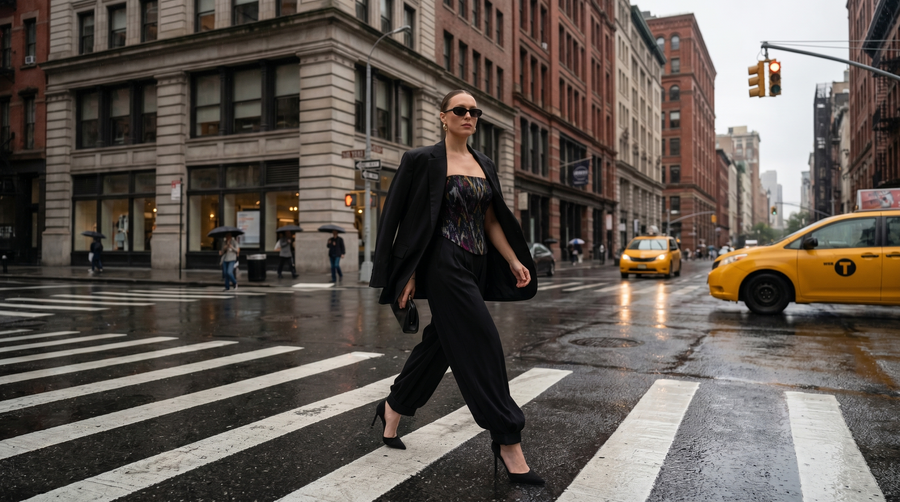
Mass manufacturers optimize fabric for cost per unit and production speed. Heritage craftspeople select textiles for how they perform over years of wear: natural fibers that improve with age, dyes that won't fade unpredictably, weaves that strengthen rather than deteriorate. The Marvorid Top uses premium crepe-back satin, chosen for durability and a subtle sheen.

Durability compounds over time. Cost-per-wear makes it obvious: a $195 piece worn 200 times costs less than a dollar per wearing, while a $30 garment worn 20 times before deteriorating costs $1.50 per wearing. Quality handmade pieces invert the economics of clothing.
Construction methods ensure longevity. Hand-finished seams distribute stress differently than machine-sealed ones, and artisans reinforce stress points, shoulders, underarms, hems, using techniques learned through apprenticeship and thread weights matched to fabric weight. These details seem minor until a garment survives a decade of regular wear while cheaper alternatives fail within months.
The Real Benefits of Supporting Artisan Clothing
Direct Economic Impact on Artisan Livelihoods
When you purchase handmade heritage fashion, your money flows directly to skilled workers and their families. Artisans who sell at fair prices can sustain their practice, invest in materials, and teach younger generations the craft.
The alternative is cultural erosion. When traditional textiles can't compete economically with industrial production, craftspeople abandon their practice, families stop apprenticing children in ikat dyeing, embroidery, or weaving, and within one generation centuries of accumulated knowledge disappears.
Supporting artisan clothing means supporting economic resilience in craft communities. Fair compensation lets artisans invest in better materials, tools, and workspace, refuse exploitative middlemen, and make craft knowledge economically viable to pass forward.
Preserving Traditional Skills and Cultural Identity
Handmade heritage fashion is cultural preservation in tangible form. Every ikat pattern carries meaning, every embroidery technique represents centuries of refinement, every color choice reflects natural dyes and regional aesthetics. When these pieces disappear, so does the cultural knowledge embedded within them.
Wearing heritage fashion signals that these traditions matter, creating demand for the skills required to produce them. Young people in artisan communities see economic viability in learning their family's craft, and cultural institutions prioritize preservation when these traditions remain active.
For diaspora communities, heritage fashion provides tangible connection to ancestral culture, allowing contemporary expression through traditional forms, not as costume or historical recreation, but as living cultural practice.
Artisanal Ikat Garments: Craftsmanship That Justifies the Investment
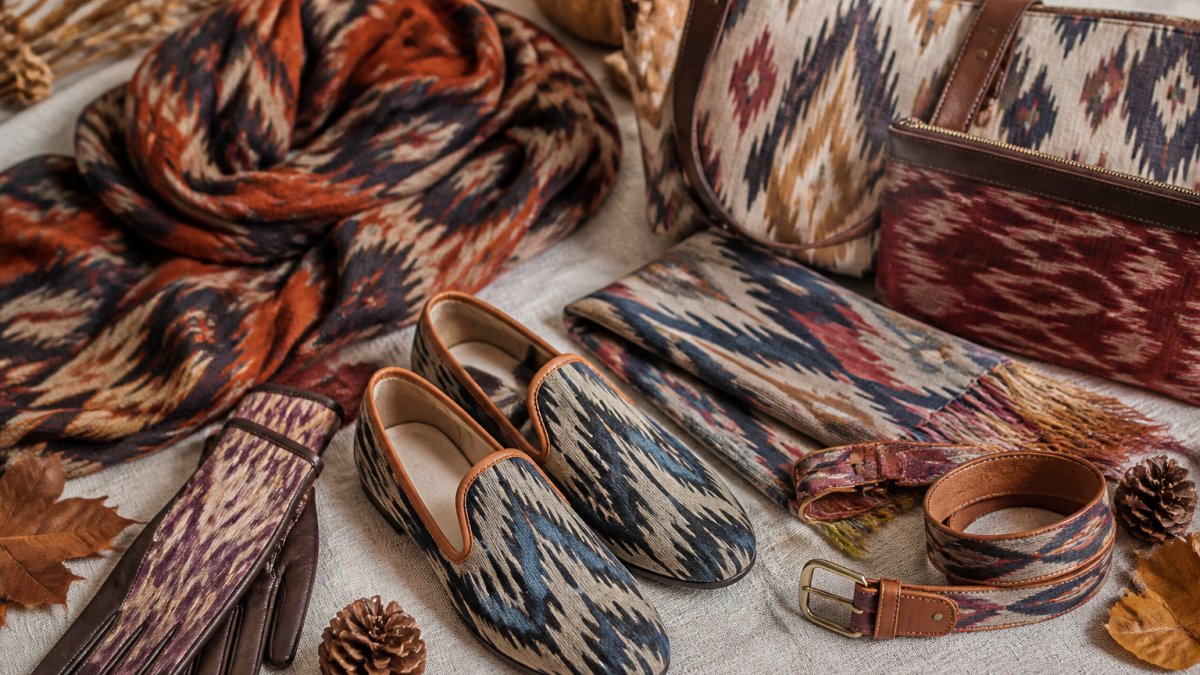
Ikat is one of the world's most labor-intensive textile techniques. Artisans tie sections of yarn with precise tension, dip-dye the bundle repeatedly to build color layer by layer, then weave the pre-dyed threads into cloth. The resulting pattern is never perfectly symmetrical, and those slight variations mark the piece as authentically handmade.
The Noor Ikat Corset ($225) shows why artisanal ikat justifies premium pricing. The ivory and beige ikat-inspired textile required multiple stages of hand-preparation, while structured paneling sculpts the waist and a slightly flared hem creates flattering proportion. Gold-tone buttons and a center-back zipper add refinement. It's engineered for repeated wear, styled with flowing skirts or tailored trousers.

What separates artisanal ikat from industrial prints is precision and intentionality. Mass-produced ikat-inspired prints use digital reproduction: cheaper, but lacking the subtle color variation and organic quality of hand-dyeing, and often referencing ikat aesthetics without honoring the technique or compensating the communities that developed it.
How to Care for Handmade Clothing to Extend Its Lifespan
Proper care separates a garment worn for five years from one worn for a lifetime. Handmade clothing requires different maintenance because its materials and construction are fundamentally different.
Start with storage. Store in a cool, dark closet away from direct sunlight. Use cedar blocks or lavender sachets.
Washing requires attention to fiber content and construction. The Noor Ikat Corset specifies dry cleaning only, since its structured paneling and delicate lace overlay need professional handling. The Marvorid Top, in premium crepe-back satin, similarly benefits from dry cleaning to preserve its sheen. Always check care labels first.
| Care Task | Frequency | Method | Why It Matters |
|---|---|---|---|
| Storage rotation | Monthly | Hang on padded hangers, store in cool dark space | Prevents permanent creases and UV damage |
| Professional cleaning | 2-3 times yearly | Dry cleaning for structured pieces | Preserves delicate construction and finishes |
| Spot cleaning | As needed | Gentle soap and cool water on affected area | Prevents staining from spreading |
| Repair assessment | Quarterly | Check seams, buttons, hems for wear | Early repair prevents structural failure |
| Deodorizing | Between wears | Hang in fresh air or use cedar blocks | Extends time between cleanings |
Sustainability and Environmental Impact of Heritage Fashion
Handmade heritage fashion operates on sustainability principles that industrial production rejects. Artisans source natural fibers, chosen for longevity and biodegradability, and use natural dyes from plants, minerals, and insects rather than synthetic dyes that contaminate waterways.
Consider the lifecycle comparison: a fast-fashion shirt made in a distant facility, shipped across the world, worn a handful of times, then landfilled concentrates significant environmental cost into minimal use. A handmade heritage piece worn for decades and passed to family members distributes that impact across hundreds of wearings.
Durability is decisive: a garment that lasts 20 years instead of 2 eliminates 90% of the environmental impact per wearing. That's why handmade heritage fashion represents genuine sustainability, not marketing greenwashing, the benefit is structural, not claimed.
Verifying Authenticity: How to Distinguish Real Heritage Pieces
Not everything labeled "heritage" or "artisan" is authentically handmade. Mass manufacturers mimic heritage aesthetics while maintaining industrial production. Verifying authenticity requires knowing what to examine.
Start with maker identification. Authentic heritage pieces come from named artisans or clearly identified communities; if a brand can't tell you who made the piece or where it comes from, that's a red flag. Sadri Couture is transparent about its New York-based design and the Central Asian heritage behind its collections, drawing explicitly from Samarkand, Uzbekistan, with signature ikat and intricate patterns that reference authentic textile traditions.
Examine construction details.
Fiber content and weight tell a story.
Pattern consistency reveals production method.
Styling Handmade Heritage Pieces Into Everyday Life
The most common hesitation about handmade heritage fashion is practical: will these pieces integrate into contemporary wardrobes, or sit unworn as special-occasion items? It depends on design intentionality. Pieces engineered for versatility become wardrobe staples; standalone statements remain occasional.

The Marvorid Top ($195) exemplifies this versatility. Its structured silhouette and monochrome ikat-inspired print work with tailored trousers for professional settings, pair with denim for weekends, and transition to evening with a flowing skirt. The square neckline and curved hem create visual interest without extra accessories, heritage fashion engineered for contemporary life, not costume.
Styling strategy matters. Heritage pieces work best with neutral contemporary basics: a statement ikat corset with plain tailored trousers or simple denim, a handwoven textile top with solid-color bottoms. Let the piece carry the visual weight rather than competing patterns or colors.
Mixing heritage pieces with contemporary items creates personal style rather than costume.
Heritage pieces shine in professional settings where individual expression is valued, cultural events where heritage clothing is celebrated, personal milestones, and weekend gatherings. These aren't limited occasions, they're regular life for most people.
The psychological shift matters too. When you own pieces you actually wear, they become part of your identity rather than museum pieces. You notice how they age, understand their construction, and appreciate the craftsmanship through repeated wear. That's when handmade heritage fashion becomes not just an ethical purchase but a personal practice.
Handmade heritage fashion represents a fundamental choice about what clothing means in your life. According to the Sustainable Apparel Coalition's environmental impact research, fast fashion's production methods generate significant environmental cost concentrated into minimal use. By contrast, heritage pieces designed for longevity distribute that impact across decades of wear.
The investment extends beyond your wardrobe. Supporting artisan clothing means supporting economic viability for craft communities, participating in cultural continuity rather than passive consumption, and wearing pieces that improve with age rather than deteriorate.
Sadri Couture's collections, from The Marvorid Top to the Noor Ikat Corset, show how heritage craftsmanship integrates into contemporary life. These pieces are designed to be worn, not displayed: versatile, durable, and rooted in authentic cultural tradition. Choosing handmade heritage fashion means choosing quality, sustainability, and meaningful connection to artisan communities and cultural knowledge.
Discover how Sadri Couture reimagines Central Asian heritage through contemporary design. Explore pieces that honor traditional craftsmanship while fitting seamlessly into your everyday wardrobe.
Frequently Asked Questions
What makes handmade heritage fashion worth the higher price?
Handmade heritage fashion commands higher prices because each piece involves skilled craftsmanship, premium materials, and often months of traditional techniques. Unlike mass-produced clothing, heritage garments are built to last decades, not seasons. The Marvorid Top ($195), for example, uses premium crepe-back satin with architectural tailoring that defines the waist and flatters the figure through careful panel construction. When you invest in handmade heritage fashion, you're paying for quality materials, artisan expertise, and pieces designed for longevity, making the cost-per-wear significantly lower over time.
How do I know if artisanal ikat garments are genuinely handmade?
Genuine artisanal ikat garments show specific markers of handcraftsmanship: slight variations in pattern repetition (machines create perfect uniformity) and construction details like invisible zippers. Authentic heritage brands provide transparent information about their artisans, production methods, and sourcing. Sadri Couture discloses that pieces are designed in New York and crafted using traditional ikat techniques with premium materials like duchess satin and French lace. Ask brands directly about their production process and artisan partnerships.
What are the benefits of supporting artisan clothing makers?
Supporting artisan clothing makers creates direct economic benefits for rural and local craftspeople, preserving traditional skills that might otherwise disappear. When you purchase from artisans, you fund fair wages, sustainable livelihoods, and community economic empowerment. Artisan-made fashion also keeps cultural heritage alive by valuing traditional techniques like ikat weaving and hand embroidery. This support enables artisans to continue their craft, pass skills to younger generations, and maintain cultural identity. Unlike mass production, artisan clothing supports smaller communities rather than concentrating profits in corporate supply chains.
How should I care for handmade heritage clothing to keep it looking new?
Handmade heritage pieces require careful maintenance to preserve their craftsmanship. Most artisanal garments, including Sadri Couture's ikat pieces, require professional dry cleaning only. For items with delicate overlays like lace, steam on low heat from the reverse side only, never directly on the lace. Avoid bleach and harsh washing. Proper storage in a cool, dry space protects the fabrics and construction. These care practices ensure your investment lasts for years, making the higher initial cost justified through extended wearability.