

Shop Authentic Central Asian Inspired Fashion
Table of Contents
- What Defines Authentic Central Asian Inspired Fashion
- Understanding Traditional Ikat Patterns and Their Craft
- How to Style Suzani Embroidery in Modern Wardrobes
- Styling Central Asian Wedding Attire for Any Occasion
- Identifying Quality and Authenticity When Shopping
- Ethical Sourcing and Sustainable Artisan Practices
- Care and Maintenance of Heritage Textiles
- Frequently Asked Questions
Last Updated: September 18, 2026
What Defines Authentic Central Asian Inspired Fashion
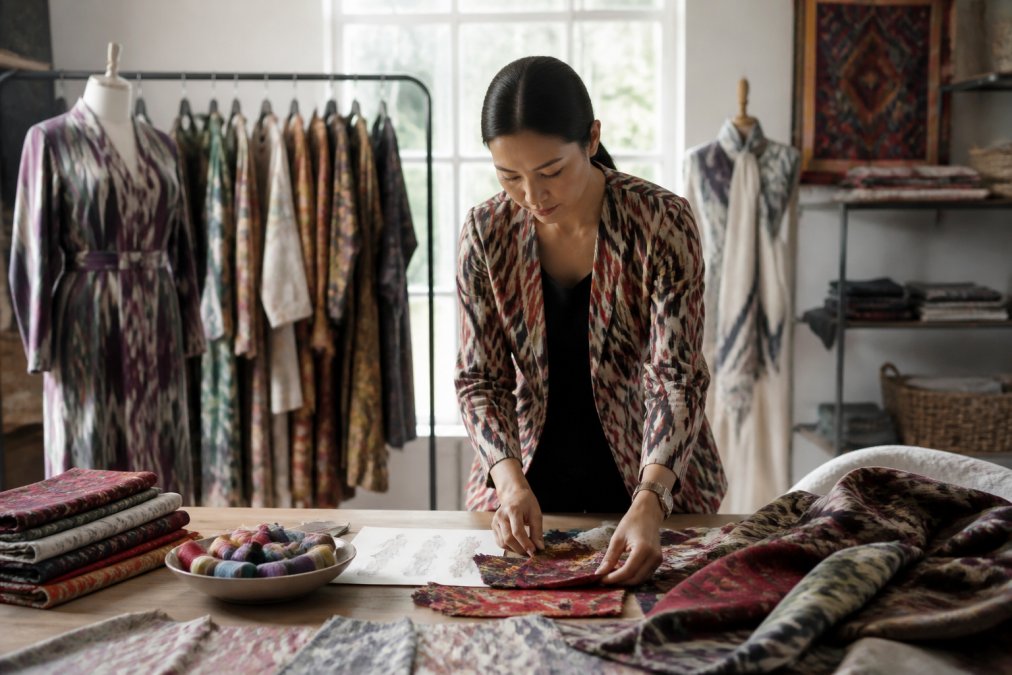
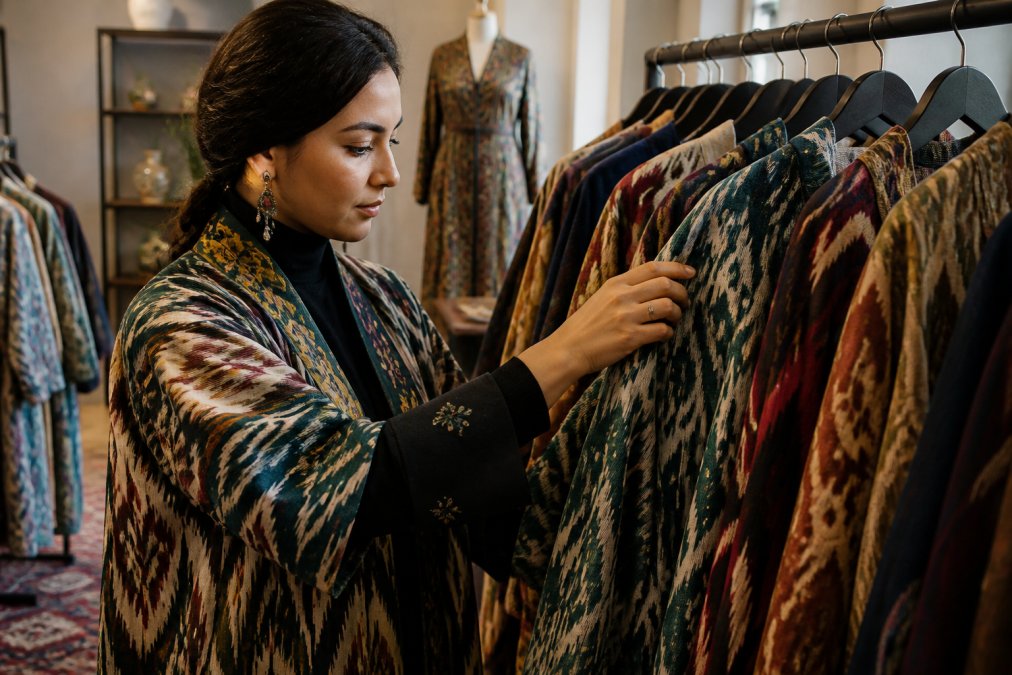
When you shop authentic central asian inspired fashion, you're choosing garments rooted in centuries of cultural craftsmanship and regional identity. At Sadri Couture, we understand that authentic Central Asian pieces go far beyond surface aesthetics, they represent the artistic traditions of communities, each with distinct textile techniques, color palettes, and embroidery styles that tell stories of their origin.
Authentic central asian inspired fashion combines several defining characteristics: traditional ikat dyeing methods, natural fiber foundations, and design elements that reflect nomadic and settled cultural practices. The difference between authentic pieces and mass-produced imitations lies in the intentionality of construction, the quality of materials, and the respect paid to traditional motifs and techniques.
The craftsmanship that defines this aesthetic has evolved over generations. Traditional garments were designed for specific climates, social occasions, and regional identities. When you shop authentic central asian inspired fashion today, you're investing in pieces that honor these historical roots while adapting to contemporary wardrobes. Sadri Couture's approach reimagines these traditional silhouettes through a modern lens, blending heritage textiles with wearable ready-to-wear construction that integrates seamlessly into everyday life.
Understanding what makes a piece authentically Central Asian means recognizing the labor involved, the regional variations, and the cultural significance embedded in every stitch. This knowledge transforms shopping from a transaction into a meaningful connection with artisanal tradition.
Understanding Traditional Ikat Patterns and Their Craft
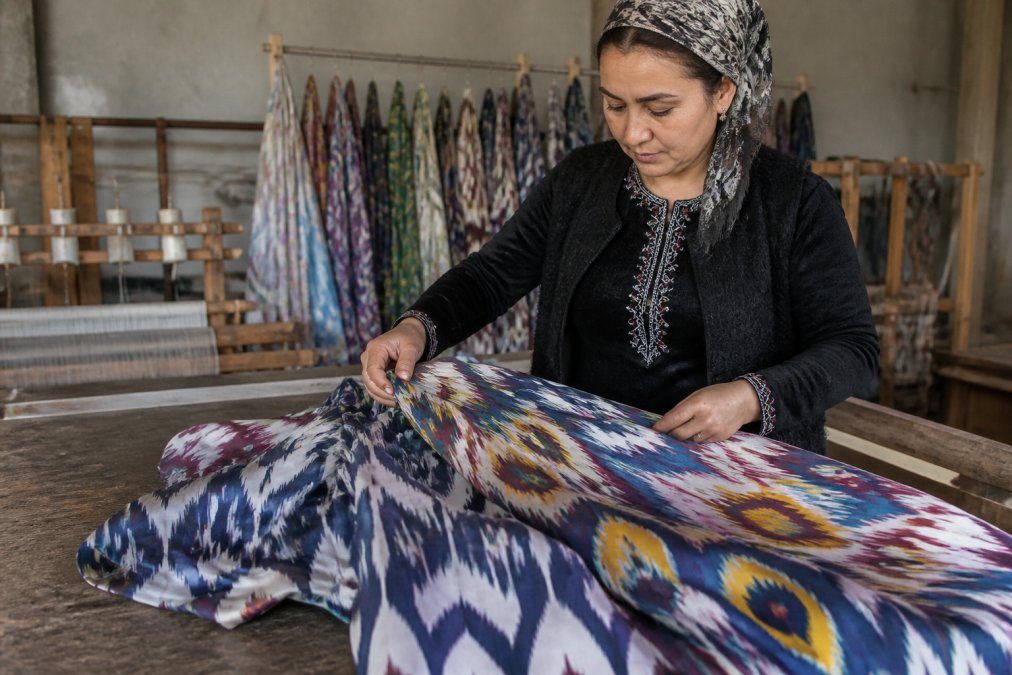
Ikat is a resist-dyeing technique where yarn is bound tightly before immersion in dye, creating distinctive geometric patterns with soft, blurred edges that are impossible to replicate through printing. The process requires extraordinary precision, artisans must calculate bind patterns mathematically to achieve the intended design once the yarn is unwound and woven into fabric.
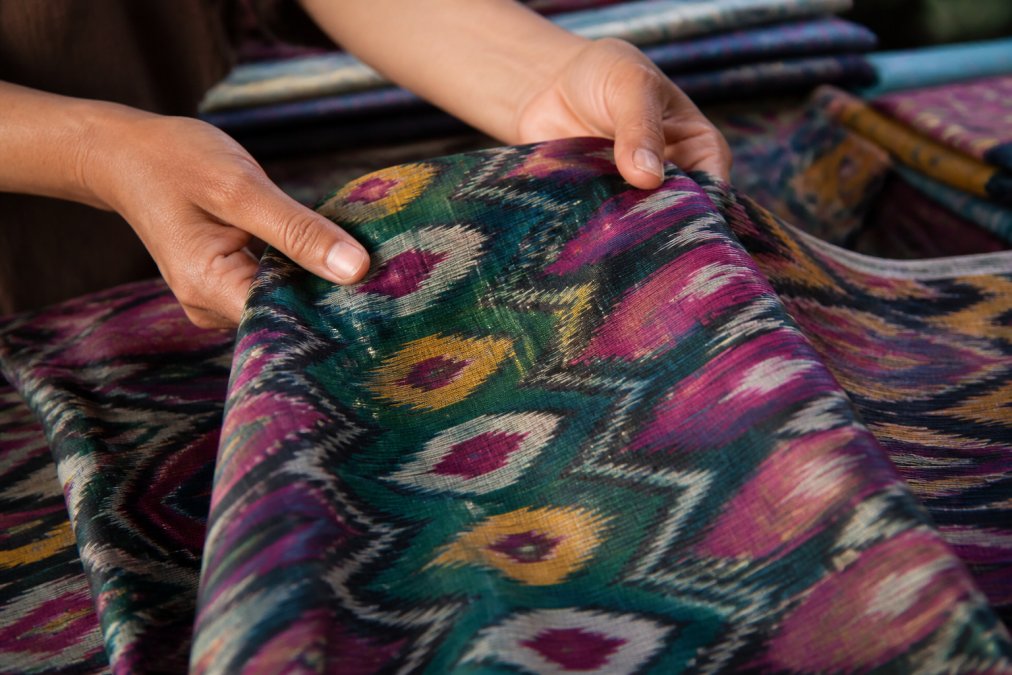
The ikat tradition in Central Asia dates back centuries, with each region developing distinctive pattern vocabularies. What most guides miss is that authentic ikat fabrics show natural color variation, no two pieces are identical because the dyeing process itself is organic and responsive to materials, water chemistry, and environmental factors.
The craftsmanship required to produce genuine ikat explains why authentic pieces command higher prices than printed imitations. A single ikat textile might take weeks to complete, involving multiple artisans across binding, dyeing, and weaving stages. The Marvorid Reversible Ikat Corset Belt from Sadri Couture showcases this tradition by layering exclusive Sadri ikat beneath delicate French lace, combining heritage textile work with contemporary corset construction.
When you shop authentic central asian inspired fashion featuring ikat, examine the pattern edges closely. Authentic ikat will show the characteristic soft blur where colors meet, while printed versions display sharp, uniform edges. The fabric should feel substantial, traditional ikat uses high thread counts to support the complex dyeing process. Sadri Couture's ikat pieces are crafted from duchess satin, a luxury base that provides the weight and drape necessary for both visual impact and wearability.
How to Style Suzani Embroidery in Modern Wardrobes
The reality is that suzani pieces integrate beautifully into contemporary wardrobes when styled with intention and restraint.
Layering is your strongest strategy when styling suzani pieces. The Noor Ikat Corset from Sadri Couture demonstrates this principle, wear it as a standalone statement over a flowing blouse for evening occasions, or layer it under a structured blazer for professional settings. The corset's ivory and beige ikat-inspired textile with gold-tone buttons reads as refined rather than costume-y because the base colors remain neutral and the silhouette stays contemporary.

Styling Central Asian Wedding Attire for Any Occasion
Central Asian wedding traditions call for richly decorated garments that honor cultural heritage while celebrating the occasion's significance. However, many diaspora women wonder how to wear traditional wedding attire authentically without limiting its use to a single event.
The solution lies in understanding that traditional Central Asian wedding garments were designed as versatile pieces. Traditional garments, for example, served as both ceremonial and everyday wear depending on fabric quality and embellishment level. When you shop authentic central asian inspired fashion for wedding occasions, seek pieces that balance ornamental detail with wearability.
For wedding guests, the Noor Ikat Skirt paired with the Noor Ikat Corset creates an elegant, culturally resonant look. The skirt's high waist and simplified silhouette provide contemporary proportions, while the ivory and beige ikat pattern with sheer organza overlay offers visual richness without overwhelming formality. This combination works for wedding celebrations, cultural events, and upscale evening occasions.

Color carries significant meaning in Central Asian wedding traditions. Deep jewel tones, burgundy, forest green, sapphire blue, signal celebration and respect. Gold and silver accents represent prosperity and auspiciousness. Avoid overly bright or neon colors, which read as costume-like rather than refined. When styling central asian wedding attire, incorporate these traditional color principles while maintaining contemporary proportions and silhouettes.
Layering traditional pieces with contemporary basics extends their utility. A richly embroidered corset worn over a simple white shirt and paired with tailored trousers becomes professional daywear. The same corset layered under an evening gown transforms into formal celebration wear. This versatility justifies the investment in quality pieces and ensures they integrate into your regular wardrobe rather than serving as single-use occasion wear.
Identifying Quality and Authenticity When Shopping
Distinguishing authentic Central Asian pieces from mass-produced imitations requires understanding construction, materials, and regional design characteristics. Here's what separates genuine pieces from copies: authentic textiles show hand-stitched irregularities, natural color variations, and evidence of labor-intensive techniques. Machine-made imitations display uniform perfection that, paradoxically, signals inauthenticity.
Marvorid Reversible Ikat Corset Belt →
Examine seam construction closely. Authentic pieces feature reinforced seams, finished edges, and thread that matches the garment's color palette. Sadri Couture pieces, for example, showcase fully lined construction and professional finishing throughout. The Vintage Atlas Lace Corset uses vintage ikat atlas layered with French lace, each element visibly demonstrates quality and intentional material selection.

Fabric weight and hand feel matter significantly. Authentic Central Asian textiles typically use natural fibers, cotton, silk, linen, or high-quality blends that provide appropriate drape and weight. Duchess satin, used in Sadri Couture's corset belts, offers the substantial feel and refined appearance characteristic of heritage garments. Cheap polyester substitutes feel thin and plasticky, lacking the natural movement of quality fabrics.
Pattern authenticity requires regional knowledge. Genuine ikat displays the characteristic soft-edged geometric patterns impossible to achieve through printing. If a pattern appears perfectly uniform and machine-precise, it's likely printed rather than authentically embroidered.
Research the maker's background. Brands that emphasize their connection to Central Asian heritage, explain their sourcing practices, and provide transparency about construction methods demonstrate commitment to authenticity. Sadri Couture, founded by Vazira Sadri and rooted in the cultural heritage of Samarkand, Uzbekistan, explicitly honors these traditions while designing for contemporary wearers. This approach signals authentic engagement with the aesthetic rather than superficial trend-chasing.
Price point offers clues, though not definitive ones. Authentic hand-crafted pieces require significant labor investment and should reflect this in pricing. Extremely low prices often indicate mass production and material shortcuts. However, premium pricing alone doesn't guarantee authenticity, some expensive pieces use quality materials without respecting traditional construction methods.
Ethical Sourcing and Sustainable Artisan Practices
When you shop authentic central asian inspired fashion, your purchasing choices directly impact artisan communities and traditional craft preservation. Ethical sourcing means understanding where pieces originate, how artisans are compensated, and whether traditional knowledge is respected and fairly valued.
Fair trade principles in Central Asian textiles mean artisans receive wages that reflect their skill level and labor investment. Brands committed to ethical practices provide transparency about production locations, artisan compensation, and community impact.
Sustainable practices in traditional textile work focus on preserving techniques while minimizing environmental impact. Natural dyes used in authentic ikat production, though labor-intensive, avoid the chemical pollution associated with synthetic dyes. Hand-stitching requires no electricity beyond basic lighting. These traditional methods are inherently more sustainable than industrial alternatives, though they demand higher prices to compensate artisans fairly.
Supporting artisan communities means choosing brands that invest in skill transmission. When young people see sustainable income from traditional crafts, they're more likely to learn and preserve these techniques. Brands like Sadri Couture that explicitly connect their work to Central Asian heritage contribute to this preservation.
Sustainable fashion in this context means buying fewer, higher-quality pieces designed for longevity rather than trend cycles. A well-made ikat corset belt or suzani-detailed garment should serve your wardrobe for years, justifying its cost through durability and timeless design.
Care and Maintenance of Heritage Textiles
Heritage textiles require specific care to preserve their beauty and structural integrity. Understanding proper maintenance extends garment life and honors the artisan labor embedded in each piece.
Frequently Asked Questions
How can I identify authentic ikat textiles when shopping for authentic central asian fashion?
Authentic ikat features hand-tied resist-dye patterns with slightly irregular edges where the dye bleeds into adjacent areas. Look for natural color variations and imperfections that indicate hand-dyeing rather than machine printing. Genuine ikat has a soft, lived-in quality rather than a uniform, pristine appearance. Check the back of the fabric, authentic pieces show the same pattern consistency throughout. Sadri Couture's pieces, like the Noor Ikat Corset ($149), use signature ikat-inspired textiles that reflect this artisanal heritage.
What is the significance of suzani embroidery in modern fashion?
Suzani embroidery represents centuries of Central Asian cultural heritage, with hand-stitched motifs traditionally created by women as dowry pieces. In modern fashion, suzani brings storytelling and artistry to everyday wear, transforming garments into wearable cultural expressions. Contemporary designers honor this tradition by layering suzani elements with modern silhouettes, making heritage accessible without sacrificing sophistication. This approach allows diaspora communities and culturally conscious consumers to celebrate their roots while maintaining a refined, contemporary aesthetic.
Are there ethical considerations when buying Central Asian inspired clothing?
Yes. Authentic ethical purchases prioritize fair wages for artisans, transparent supply chains, and support for traditional communities. Look for brands that work directly with makers rather than mass-producing imitations. Verify that embroidery and textile work compensate craftspeople fairly and preserve traditional techniques. Sadri Couture's approach emphasizes artisanal craftsmanship and cultural respect, ensuring that heritage textiles like ikat and suzani elevate communities rather than exploit them. Ask brands about their sourcing practices and production methods before purchasing.
Can I wear Central Asian inspired pieces to work or everyday settings?
Absolutely. Modern Central Asian inspired fashion blends tradition with versatility. Pieces like the Marvorid Reversible Ikat Corset Belt ($98) work over professional blouses, tailored separates, and dresses for polished office wear. The key is layering: wear a corset over a crisp button-up, pair an ikat skirt with a fitted top, or use statement pieces as waist-defining accents. The reversible designs and neutral base colors ensure these pieces integrate seamlessly into contemporary wardrobes, making them suitable for both professional environments and casual settings.