

Modern Ikat Clothing Brands for Women
Table of Contents
- What Is Ikat Fabric and Why It Matters Today
- Are Artisanal Ikat Garments Worth It
- How to Style Ikat Clothing for Everyday and Occasion Wear
- Care Instructions for Ikat Fabric and Longevity
- Hand-Woven vs. Machine-Printed Ikat: Understanding the Difference
-
Ikat Clothing Brands Redefining Modern Fashion
- The Marvorid Top: Structured Sophistication for Everyday Versatility
- Noor Ikat Corset: Tailored Heritage for Occasions and Layering
- Noor Ikat Skirt: Sheer Elegance with Contemporary Silhouette
- Marvorid Reversible Ikat Corset Belt: Dual-Purpose Statement Accessory
- Marvorid Waist Corset in Blue: Adjustable Layering Piece
- Vintage Atlas Lace Corset: Investment-Grade Artisanal Textile
- Ethical Sourcing and Fair-Trade Practices in Ikat Production
- Frequently Asked Questions
Last Updated: September 27, 2026
What Is Ikat Fabric and Why It Matters Today
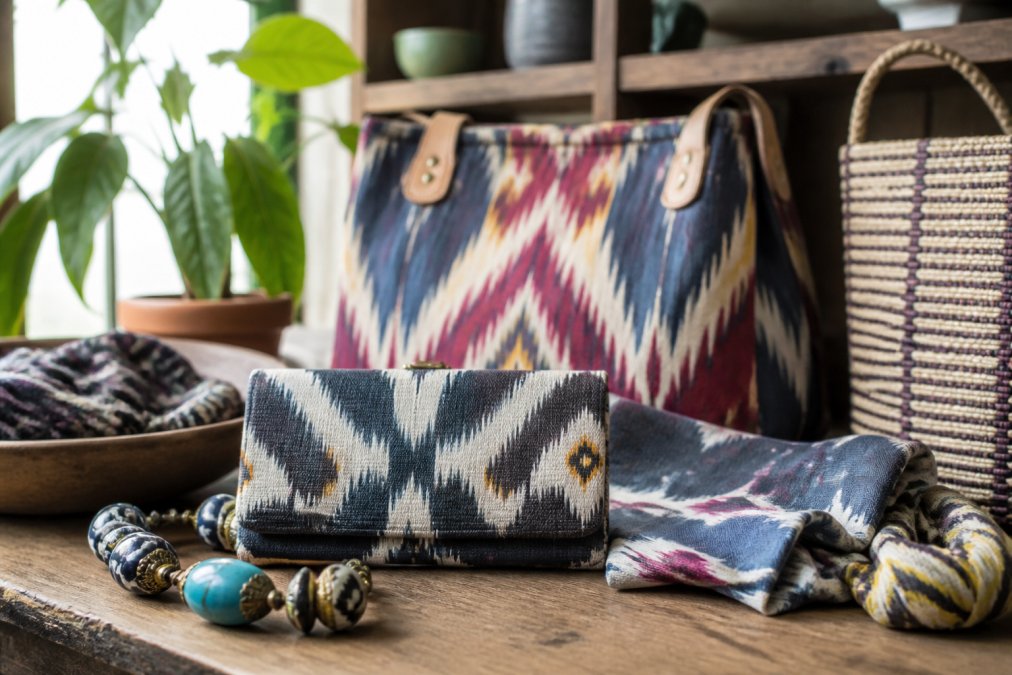
Ikat fabric is a resist-dyeing technique where threads are tied and dyed before weaving, creating distinctive blurred, watercolor-like patterns. The word comes from the Indonesian term "mengikat," meaning "to tie." The pattern emerges from the dyeing process itself, giving each piece handmade variation and artistry.
Today, ikat represents a rare connection to centuries-old textile heritage. Whether Uzbek ikat from Samarkand, Indian ikat from Andhra Pradesh, or Balinese ikat from Indonesia, each regional variation tells a story of cultural identity. For contemporary women seeking timeless, personal pieces, ikat clothing offers an alternative to mass-produced fashion.
Sadri Couture reimagines heritage textiles for modern wardrobes. Founder Vazira Sadri drew inspiration from Central Asian ikat traditions to create ready-to-wear pieces blending artisanal craftsmanship with contemporary silhouettes, transforming ikat from occasional-wear into everyday wearable pieces.
Ikat matters now because consumers reject disposable fashion. Hand-dyed, hand-woven textiles carry inherent value beyond aesthetics, they're sustainable by design, built to last, and tell a story with every wear.
Are Artisanal Ikat Garments Worth It
The short answer is yes, but only if you understand what you're paying for. Artisanal ikat garments are not cheaper alternatives to mass-produced clothing. They're investments in durability, cultural preservation, and pieces designed to be worn for years, not seasons.
Hand-dyed ikat requires skilled artisans spending weeks or months on a single bolt of fabric. Each thread must be individually tied, dipped in dye multiple times, and carefully unwound. Machine-printed ikat mimics the pattern but lacks the depth, texture, and longevity of true hand-dyed fabric.
When you buy an artisanal ikat piece, you're paying for the textile artisan's skill, the weaver's time, the designer's vision, and ethical sourcing practices. A quality ikat garment will hold its color, maintain its structure, and remain wearable for a decade or more with proper care.
The real question is whether you'll wear them enough to justify the investment. If you're building a capsule wardrobe around versatile, layerable pieces that work across seasons and occasions, artisanal ikat becomes cost-effective on a per-wear basis.
How to Style Ikat Clothing for Everyday and Occasion Wear
The biggest misconception about ikat clothing is that it only works for formal events or cultural occasions. In reality, ikat pieces are remarkably versatile when styled with intention.
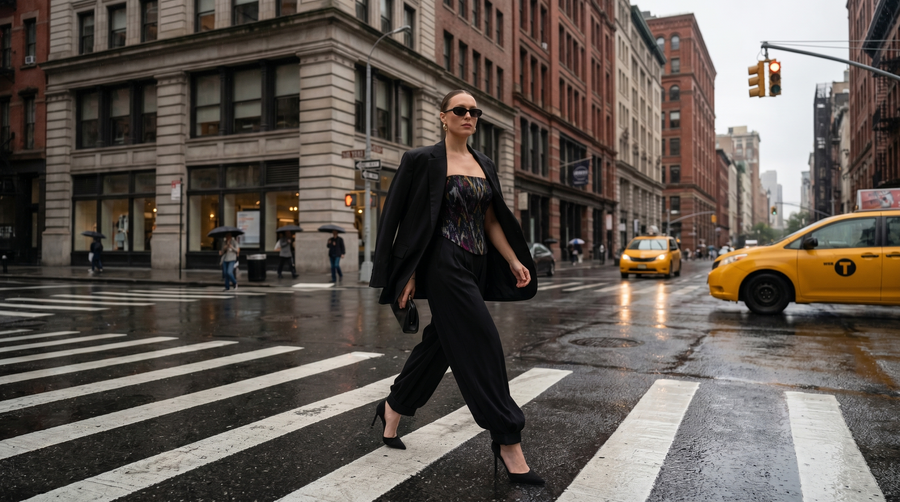
For everyday wear, treat your ikat piece as a statement accent. Pair The Marvorid Top ($149.00) with simple tailored trousers and minimal accessories. The structured silhouette and crepe-back satin finish work with denim and sneakers or formal trousers, layered under a blazer for the office or worn alone for casual dinner.

The Marvorid Reversible Ikat Corset Belt ($98.00) works over dresses, shirts, or separates.
Care Instructions for Ikat Fabric and Longevity
Proper care is what separates a piece you wear for two seasons from one that lasts a decade. Ikat fabrics require attention, but the effort is minimal compared to the payoff.
| Care Task | Frequency | Method | Impact |
|---|---|---|---|
| Professional dry cleaning | Every 4-6 wears | Dry cleaner specializing in delicate fabrics | Preserves color and structure |
| Air drying | After each wear | Hang flat or on padded hanger, away from direct heat | Maintains shape and prevents wrinkles |
| Storage | Between seasons | Cool, dark space; flat or hanging | Prevents fading and dust accumulation |
| Inspection | Before wearing | Check seams, zippers, closures | Catches damage early |
| Spot cleaning | As needed | Professional spot treatment | Extends time between full cleanings |
Hand-Woven vs. Machine-Printed Ikat: Understanding the Difference
Not all ikat looks the same, and understanding the difference between hand-woven and machine-printed ikat is crucial for making informed purchases.
Ikat Clothing Brands Redefining Modern Fashion
The contemporary ikat landscape is small but growing. Brands that matter are those committed to authentic heritage textiles and thoughtful contemporary design.
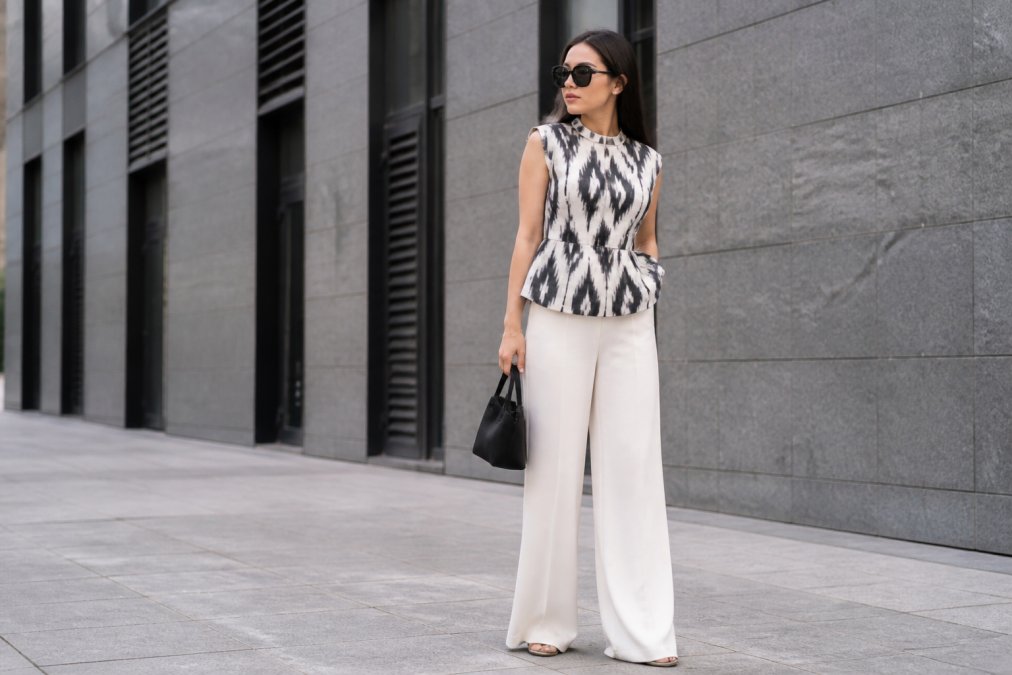
The Marvorid Top: Structured Sophistication for Everyday Versatility
The Marvorid Top ($149.00) is the entry point into Sadri Couture's collection. It features a monochrome ikat-inspired print on premium crepe-back satin with a modern square neckline, sculpted waist, and long fitted sleeves. The contoured panel design defines the waist while maintaining comfort. Pair with tailored trousers for the office, denim for casual wear, or skirts for evening. If between sizes, size up for comfort.
Noor Ikat Corset: Tailored Heritage for Occasions and Layering
The Noor Ikat Corset ($149.00) is made-to-order with a 3-4 week production window. It features a strapless neckline, structured paneling, ivory and beige ikat-inspired textile, and gold-tone statement buttons. Wear with a flowing skirt for elegant occasions, tailored trousers for evening, or denim for effortless styling. Dry clean only. Size up if between sizes. Ideal for Central Asian weddings or cultural events.
Noor Ikat Skirt: Sheer Elegance with Contemporary Silhouette
The Noor Ikat Skirt ($149.00) is made-to-order with a 3-4 week production timeline. It combines a soft ivory ikat-inspired pattern with a sheer organza overlay. The high-waisted silhouette and center-back slit create a contemporary feel for professional and social occasions. Pair with the matching corset or style separately with a fitted top. Dry clean only.
Marvorid Reversible Ikat Corset Belt: Dual-Purpose Statement Accessory
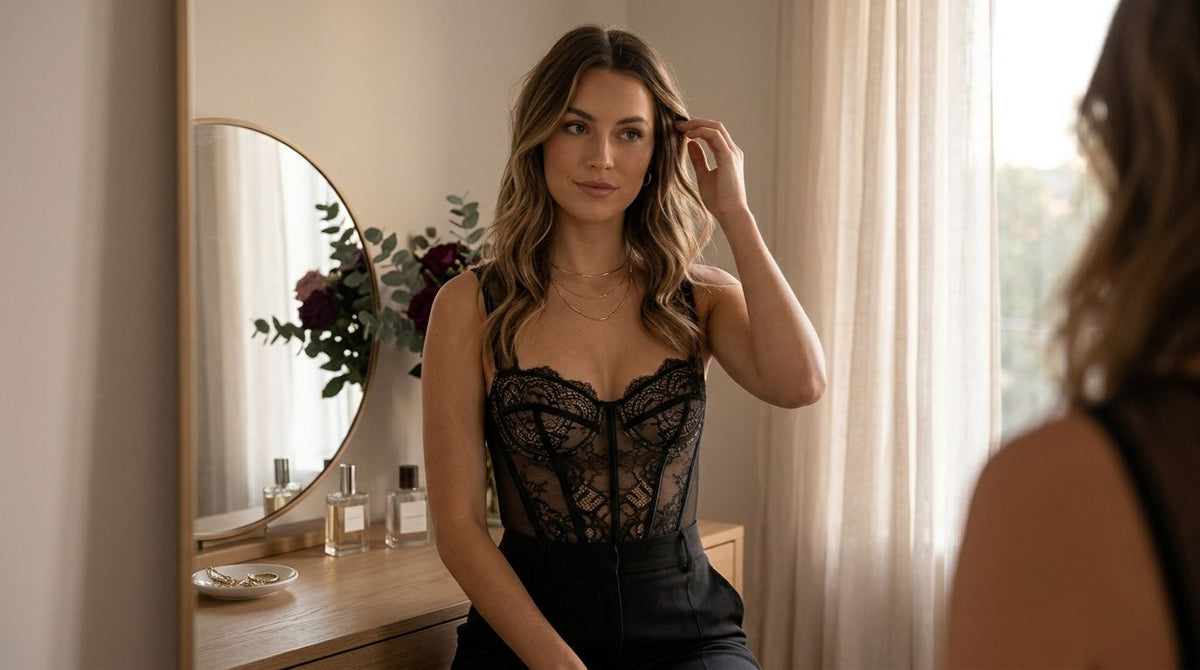
The Marvorid Reversible Ikat Corset Belt ($98.00) functions as two accessories in one. One side features exclusive Sadri ikat layered beneath delicate French lace; reverse to reveal a sleek solid black finish. The belt sculpts the waist and pairs with dresses, tailored separates, or eveningwear. True to size; size up if between sizes. Dry clean only.
Marvorid Waist Corset in Blue: Adjustable Layering Piece
The Marvorid Waist Corset in Blue ($98.00) features soft blue ikat-inspired textile with French lace on one side; reverse for solid blue. Structured paneling contours the waist with an adjustable lace-up closure for personalized fit. Layer over an oversized shirt or fitted dress. Ideal for women uncertain about sizing, as the adjustable closure lets you control the final silhouette.
Vintage Atlas Lace Corset: Investment-Grade Artisanal Textile
The Vintage Atlas Lace Corset ($245.00) is the premium piece, crafted from vintage ikat atlas with French lace and black detailing. It features a lace-up closure, adjustable shoulder ties with black velvet ribbon, and a removable black peplum for two styling options. Each piece varies slightly due to the unique vintage textile, a feature, not a flaw. Layer over a crisp blouse or wear with tailored trousers or fluid skirts.
Ethical Sourcing and Fair-Trade Practices in Ikat Production
The ikat supply chain runs from dye artisans to weavers to tailors to retailers. Fair-trade practices at each step determine whether artisans earn sustainable wages and whether heritage crafts are preserved.
Frequently Asked Questions
What makes ikat fabric considered a luxury textile?
Ikat fabric is prized as a luxury textile because of its labor-intensive production process. Hand-woven ikat requires artisans to manually tie and resist-dye yarns before weaving, a technique passed down through generations. Each piece exhibits unique color variations and pattern irregularities that reflect the handcraft involved. The combination of natural fibers, traditional dyeing methods, and skilled artisanal labor creates garments with depth, texture, and authenticity that machine-printed alternatives cannot replicate. This heritage craftsmanship justifies the investment in modern ikat clothing brands.
Are artisanal ikat garments worth the investment?
Yes, artisanal ikat garments justify their price through durability, exclusivity, and cultural value. Hand-woven pieces are constructed to last decades with proper care, making them cost-effective over time compared to fast-fashion alternatives. Each garment is unique due to the resist-dyeing process, offering individuality and timeless appeal. Beyond practicality, investing in artisanal ikat supports textile artisans and preserves heritage crafts. Brands like Sadri Couture blend traditional ikat with contemporary design, creating versatile pieces that integrate seamlessly into modern wardrobes rather than sitting unworn.
How do I know if ikat clothing is authentic and ethically sourced?
Authentic ikat shows visible irregularities in pattern alignment and color variation, which are hallmarks of hand-woven, resist-dyed textiles. Machine-printed ikat appears uniform and perfectly symmetrical. Ethically sourced pieces come from brands transparent about production origins and artisan partnerships. Look for documentation of fair-trade practices, artisan fair wages, and sustainable dyeing methods. Request information about fabric composition, production timelines, and whether pieces are made-to-order, which reduces waste and supports on-demand craftsmanship.
How should I style ikat clothing for different body types and occasions?
Ikat's structured construction works across body types when tailored to fit. Fitted silhouettes with sculpted waists, like The Marvorid Top ($149), flatter by defining the midsection while the ikat pattern draws the eye upward. For layering, reversible corset belts add definition without overwhelming. Pair statement ikat pieces with neutral basics, tailored trousers, simple blouses, or denim, to let the textile shine without visual competition. For occasions, coordinate the Noor Ikat Corset ($149) with flowing skirts or tailored separates. The key is balancing the boldness of ikat patterns with minimalist pieces, allowing the artisanal textile to be the focal point.
What is the difference between hand-loomed ikat and printed ikat patterns?
Hand-loomed ikat involves weaving pre-dyed, resist-tied yarns on a loom, creating dimensional patterns with soft color gradations and intentional irregularities. This process takes weeks and produces unique variations in each piece. Printed ikat applies an ikat-inspired design onto pre-woven fabric using mechanical printing, resulting in uniform, perfectly aligned patterns. Hand-loomed ikat exhibits visible imperfections, color bleeding, and asymmetry that reflect artisanal labor, while printed versions appear flawless and mass-produced. Hand-loomed pieces command higher prices due to skill, time, and the heritage craft involved, making them true investment garments with lasting cultural and monetary value.