

Heritage Textiles in Your Wardrobe: A 2026 Guide
Table of Contents
- Understanding Heritage Textiles and Their Place in Modern Fashion
- How to Style Heritage Fashion Without the Costume Effect
- Are Artisanal Ikat Garments Worth the Investment
- Caring for Handwoven Textiles: Preservation and Maintenance
- Building a Capsule Wardrobe with Heritage Textiles
- Sourcing Authentic Heritage Textiles Ethically
- Avoiding Cultural Appropriation While Celebrating Heritage
- Frequently Asked Questions
Last Updated: October 4, 2026
Understanding Heritage Textiles and Their Place in Modern Fashion
Heritage textiles carry centuries of artisanal tradition, craftsmanship, and cultural identity. At Sadri Couture, we believe that building a heritage textiles wardrobe doesn't mean abandoning contemporary style, it means creating a deliberate dialogue between past and present.
The challenge most people face is knowing how to wear these textiles without feeling costumey or disconnected from their everyday life. A handwoven ikat fabric or block-printed textile carries visual weight. It commands attention.
Heritage textiles represent more than aesthetic value. They embody sustainable fashion principles, pieces made to last, often produced by artisans using techniques passed down through generations.
How to Style Heritage Fashion Without the Costume Effect
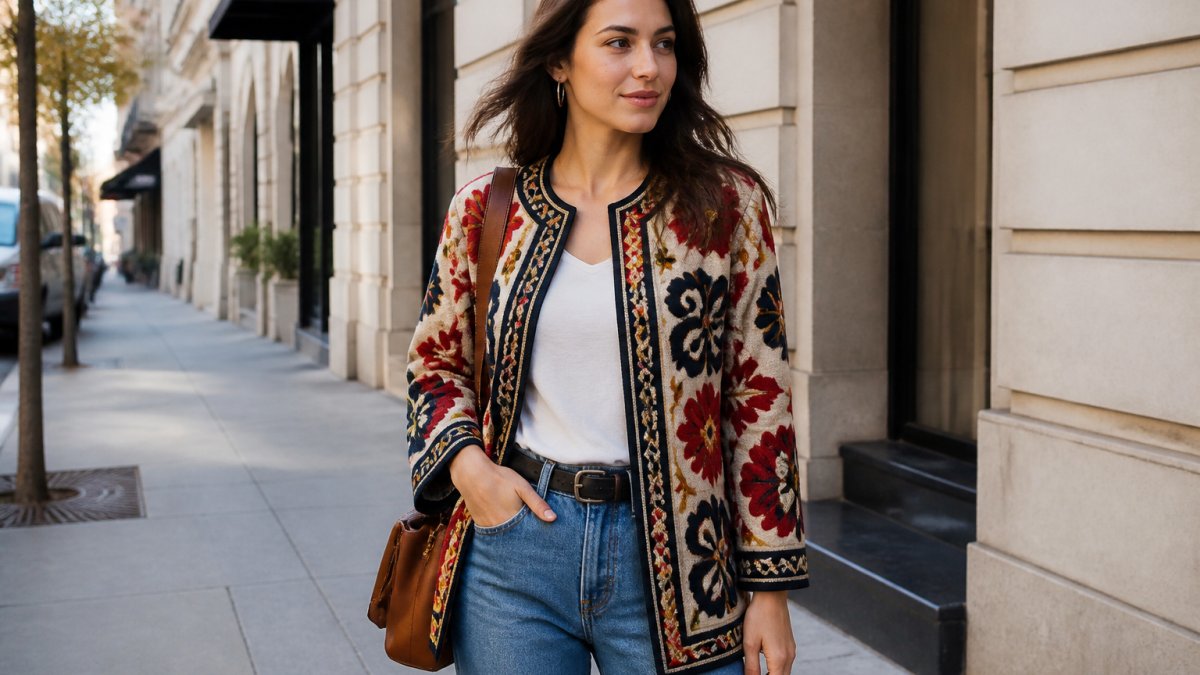
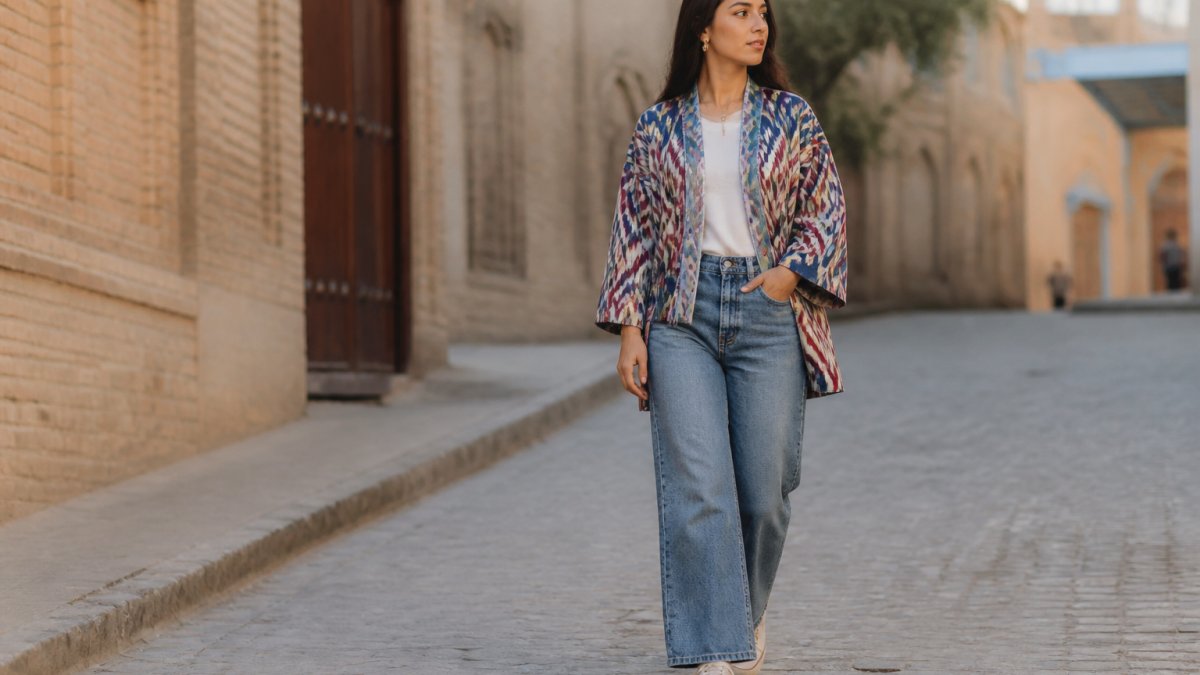
The key to wearing heritage textiles successfully is treating them as statement pieces, not entire outfits. A single heritage item, whether it's an ikat corset, a block-printed top, or a handwoven scarf, should anchor your look while everything else remains intentionally neutral and contemporary.
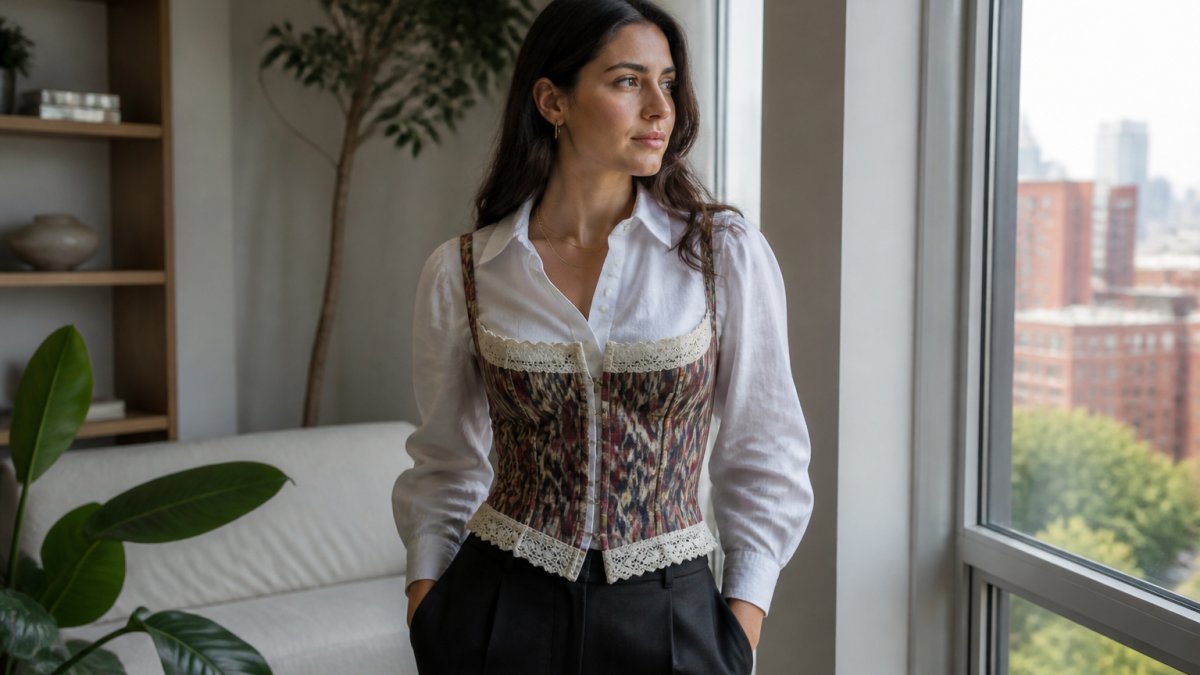
Pairing Heritage Pieces with Contemporary Basics
Start with a neutral foundation. Crisp white blouses, tailored trousers, fitted denim, and simple knits create a contemporary baseline that allows heritage textiles to stand out without overwhelming your silhouette.
When pairing, consider the weight and visual density of your heritage piece. A bold ikat print or dense block-printed textile pairs best with solid-colored, well-fitted basics in neutral tones, white, black, navy, beige, or soft gray.
The Marvorid Top from our collection exemplifies this principle. Its signature ikat-inspired monochrome print works beautifully with tailored trousers or a simple midi skirt because the structured silhouette and fitted construction anchor the piece within contemporary fashion.
Layering and Proportion Techniques
Layering heritage textiles strategically controls how much visual impact they have on your overall look.
The Vintage Atlas Lace Corset demonstrates this versatility. Layer it over a crisp white or ivory blouse for a refined, polished look suitable for professional environments or cultural events.

Proportion matters equally. If your heritage piece is voluminous or heavily patterned, balance it with fitted, tailored basics. If it's a structured corset or fitted top, you have more freedom to pair it with looser silhouettes like flowing skirts or relaxed trousers.
Are Artisanal Ikat Garments Worth the Investment
This question reflects a genuine tension: heritage textiles cost more than mass-produced alternatives, so understanding their value matters. The answer depends on how you approach quality, longevity, and your actual wardrobe needs.
Craftsmanship and Textile Quality
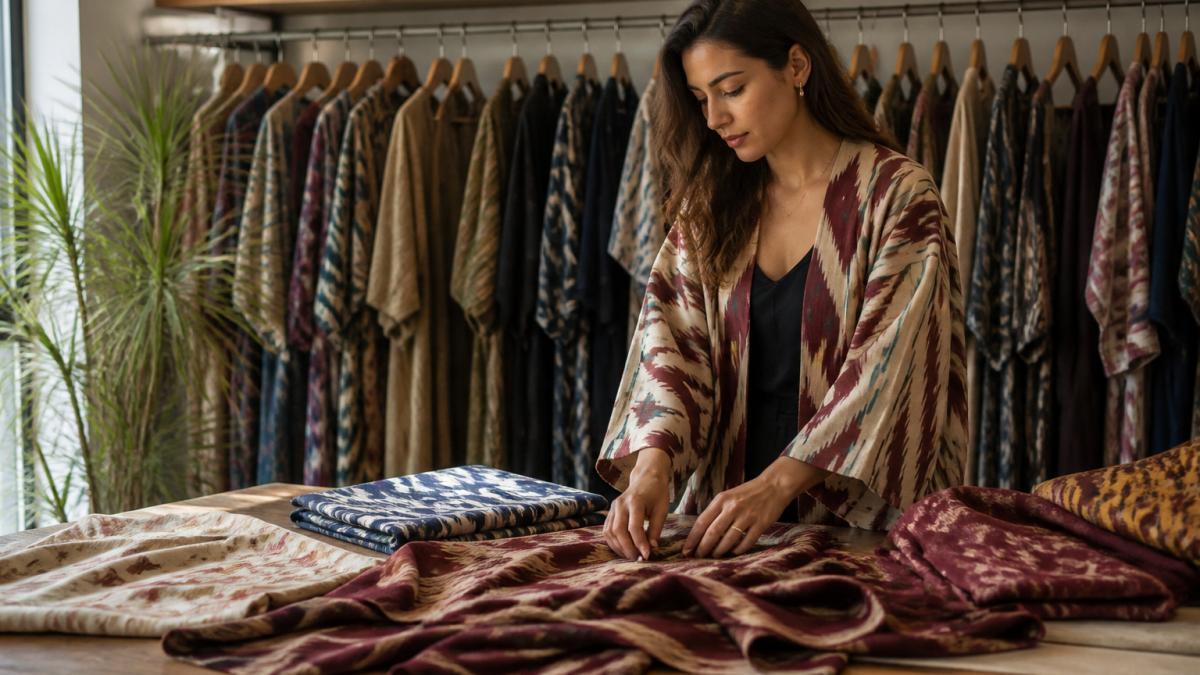
Artisanal ikat garments represent genuine craftsmanship. Ikat is a resist-dyeing technique where yarn is wrapped and dyed before weaving, creating the characteristic blurred patterns. This process cannot be mechanized at scale. Each piece requires skilled hands and technical knowledge developed over years of practice.
When you purchase an ikat garment, you're paying for several tangible qualities: the durability of hand-dyed natural fibers, the precision of artisanal construction, and the uniqueness that comes from handmade production.
The Noor Ikat Corset exemplifies this difference. Crafted with ikat-inspired fabric and structured paneling, it features gold-tone decorative buttons and a sculpted silhouette designed to create a flattering, defined shape.
Longevity and Versatility in Your Capsule Wardrobe
The real value of heritage textiles emerges over time. A well-made ikat garment or block-printed piece worn thoughtfully lasts significantly longer than fast-fashion alternatives. This longevity translates to lower cost-per-wear over the garment's lifetime.
More importantly, heritage pieces anchor a capsule wardrobe because they're inherently versatile. The Marvorid Reversible Ikat Corset Belt, for instance, offers two complete styling options in a single piece, ikat with French lace on one side, solid black on the reverse.

Heritage textiles also transcend seasonal trends. A handwoven fabric or ikat pattern doesn't date the way current-season colors or silhouettes do. This timelessness means pieces remain relevant and wearable across years, making the initial investment spread across a longer wearing timeline.
Caring for Handwoven Textiles: Preservation and Maintenance
Heritage textiles require different care than conventional garments. Understanding proper maintenance ensures your investment remains beautiful and functional for years.
Cleaning and Storage Best Practices
Handwoven fabrics and delicate textiles like French lace overlays demand professional dry cleaning rather than home washing. Water, agitation, and standard detergents can damage natural dyes, weaken fibers, and compromise the structural integrity of hand-stitched seams.
Storage matters equally. Fold heritage pieces carefully and store them flat or hanging in a cool, dry environment away from direct sunlight, which fades natural dyes.
For pieces like the Vintage Atlas Lace Corset, handle the lace overlay with particular care. Store flat or hanging to maintain its shape, and avoid placing heavy items on top of it.
Protecting Delicate Fabrics from Daily Wear
While heritage textiles are durable when properly cared for, they're not designed for daily, high-impact wear. Rotate them within your wardrobe rather than wearing the same piece multiple times per week.
Pay attention to friction points. Areas where a corset sits against your body or where a garment rubs against a bag strap experience more wear. Smooth, well-fitted garments distribute pressure more evenly than poorly fitted ones, reducing stress on seams and fibers.
Treat stains immediately but gently. Blot rather than rub. For the Noor Ikat Skirt with its sheer organza overlay, be especially cautious, the delicate organza hem requires careful handling to prevent snagging.
Building a Capsule Wardrobe with Heritage Textiles
A capsule wardrobe built around heritage pieces functions differently than one built around trend-driven basics. Your approach shifts toward versatility, timelessness, and intentional pairing.
Choosing Versatile Pieces That Work Across Occasions
Select heritage pieces that transition across contexts. A structured ikat corset works for professional settings when layered over a blouse, for casual weekends when paired with jeans, and for cultural events when styled with traditional or contemporary separates.
Color matters strategically. Neutral-toned heritage textiles, ivory, beige, soft gray, black, integrate more seamlessly into existing wardrobes than highly saturated colors. The Marvorid Top's monochrome ikat-inspired print similarly pairs with diverse bottoms and accessories.

Silhouette flexibility also increases versatility. Pieces that work both fitted and layered, or that can be styled multiple ways, perform harder within a capsule.
Accessorizing with Traditional Prints and Patterns
Accessories amplify heritage textiles without requiring you to invest in multiple statement garments. A reversible corset belt like the Marvorid transforms basic dresses and separates. A heritage-inspired scarf, shawl, or bag worn with neutral clothing creates visual interest while keeping the heritage element proportional.
When accessorizing, remember the principle of visual balance. If your heritage piece is bold and patterned, keep accessories minimal and neutral.
The key is intentionality. Each accessory should either support the heritage aesthetic or provide contemporary balance. Avoid mixing too many heritage elements at once, which risks the costume effect you're trying to prevent.
Sourcing Authentic Heritage Textiles Ethically
Where you source matters as much as what you source. Authentic heritage textiles come from artisans and producers who maintain traditional techniques and fair labor practices.
Look for transparency about origin and production.
Avoid pieces marketed as "heritage-inspired" when they're actually mass-produced imitations. Authentic ikat, block printing, and handwoven textiles carry visual and tactile qualities that printed patterns cannot replicate.
Consider the price point realistically. Authentic heritage textiles cost more because they're made slowly, by skilled hands, using materials and techniques that cannot be rushed.
Avoiding Cultural Appropriation While Celebrating Heritage
This distinction matters, especially for diaspora communities and those outside the cultures that created these textiles.
Appreciation involves understanding the cultural significance of what you're wearing. Ikat patterns, for instance, carry regional meanings and historical contexts within Central Asian cultures.
Appropriation occurs when heritage elements are extracted from their cultural context, stripped of meaning, and worn as aesthetic decoration without acknowledgment or respect.
The practical distinction: wear heritage textiles as pieces you genuinely connect with, not as costumes or "ethnic" looks.
For diaspora wearers, heritage textiles often represent cultural continuity and identity reclamation, a way of maintaining connection to ancestral traditions within contemporary life.
Building a heritage textiles wardrobe means moving beyond trend cycles toward pieces that carry meaning, craftsmanship, and longevity. These versatile statement garments integrate seamlessly into everyday wardrobes while honoring the textile arts and artisanal craftsmanship that make them meaningful. Discover how heritage textiles can become the foundation of a wardrobe that feels authentically yours.
Frequently Asked Questions
How do you style traditional textiles without looking like you're in a costume?
The key is balance and proportion. Pair heritage pieces with neutral, contemporary basics like white button-downs, tailored trousers, or clean denim. Let the textile be the statement while keeping the rest of your outfit minimal. Layer a patterned corset over a simple blouse, or wear an ikat-printed top with solid-colored separates. This approach keeps heritage textiles wearable for everyday life rather than reserved for formal events. Start with one statement piece per outfit to maintain a modern aesthetic.
Are artisanal ikat garments worth the investment?
Yes, when you consider craftsmanship and longevity. Artisanal ikat pieces like those from Sadri Couture are handwoven using natural dyes and traditional block-printing techniques, meaning each garment is unique. These pieces are designed to transition across multiple occasions and years of wear. A quality ikat corset ($98-$245) or top ($149) becomes a capsule wardrobe anchor that works with dozens of other pieces. The structured construction and premium fabrics like duchess satin and crepe-back satin ensure durability, making them more cost-effective over time than fast-fashion alternatives.
How do you care for delicate handwoven or ikat garments?
Heritage textiles require gentle handling. Most handwoven pieces, including those with French lace overlays or vintage ikat, should be professionally dry-cleaned to preserve the fibers and dyes. Store them flat or hanging in a cool, dry space away from direct sunlight, which can fade natural dyes. Avoid ironing directly on lace or delicate areas; instead, steam on low heat from the reverse side. Handle embellishments like velvet ribbon ties or decorative buttons with care. For reversible pieces like the Marvorid Corset Belt, check care instructions on both sides before cleaning.
What makes heritage textiles different from mass-produced alternatives?
Heritage textiles are created using traditional techniques like block printing, hand-dyeing, and handweaving, often passed down through generations. Each piece is unique due to variations in natural dyes and artisanal production. Mass-produced alternatives use machine printing and synthetic dyes, creating uniformity but lacking the depth and cultural authenticity. Artisanal pieces support textile artisans and preserve endangered craft traditions. The quality of materials, such as vintage ikat atlas fabric or duchess satin, also differs significantly, resulting in garments that age gracefully rather than wear out quickly.
Can heritage textile pieces work for professional or everyday settings?
Absolutely. Heritage pieces are designed for versatility when styled correctly. An ikat-printed top like The Marvorid Top works with tailored trousers for the office or with denim for casual wear. A reversible corset belt can dress up a simple blouse for work or add texture to evening wear. The key is choosing structured, refined pieces that read as sophisticated rather than decorative. Sadri Couture's ready-to-wear collections are specifically designed to integrate into modern wardrobes, making them suitable for work, social events, and everyday styling without requiring special occasion justification.
How do I know if a heritage textile is ethically sourced?
Look for brands that transparently share their production process and artisan partnerships. Ethical heritage fashion brands source directly from weavers and dyers, often in regions where these traditions originated. They provide fair wages and support cultural preservation. Sadri Couture, founded by Vazira Sadri, draws inspiration from Central Asian textile heritage and is designed in New York, reflecting a commitment to honoring traditional craftsmanship. Ask brands about their supply chain, whether they work with established artisan communities, and if they use natural dyes and traditional techniques. Avoid pieces marketed as 'ethnic-inspired' without clear sourcing information.
What's the best way to accessorize with heritage textiles?
Let your heritage piece guide your accessories. If wearing a patterned ikat top or corset, choose solid-colored accessories in complementary tones to avoid visual clutter. A reversible ikat corset belt ($98) works over dresses or with separates, adding structure without competing patterns. Pair delicate heritage pieces with minimal jewelry; a simple bracelet or earrings in gold or silver complements traditional textiles without overwhelming them. Neutral bags and shoes keep the focus on the textile's craftsmanship. For evening, a single statement piece, like a corset with a flowing skirt, is more impactful than layering multiple patterned items.